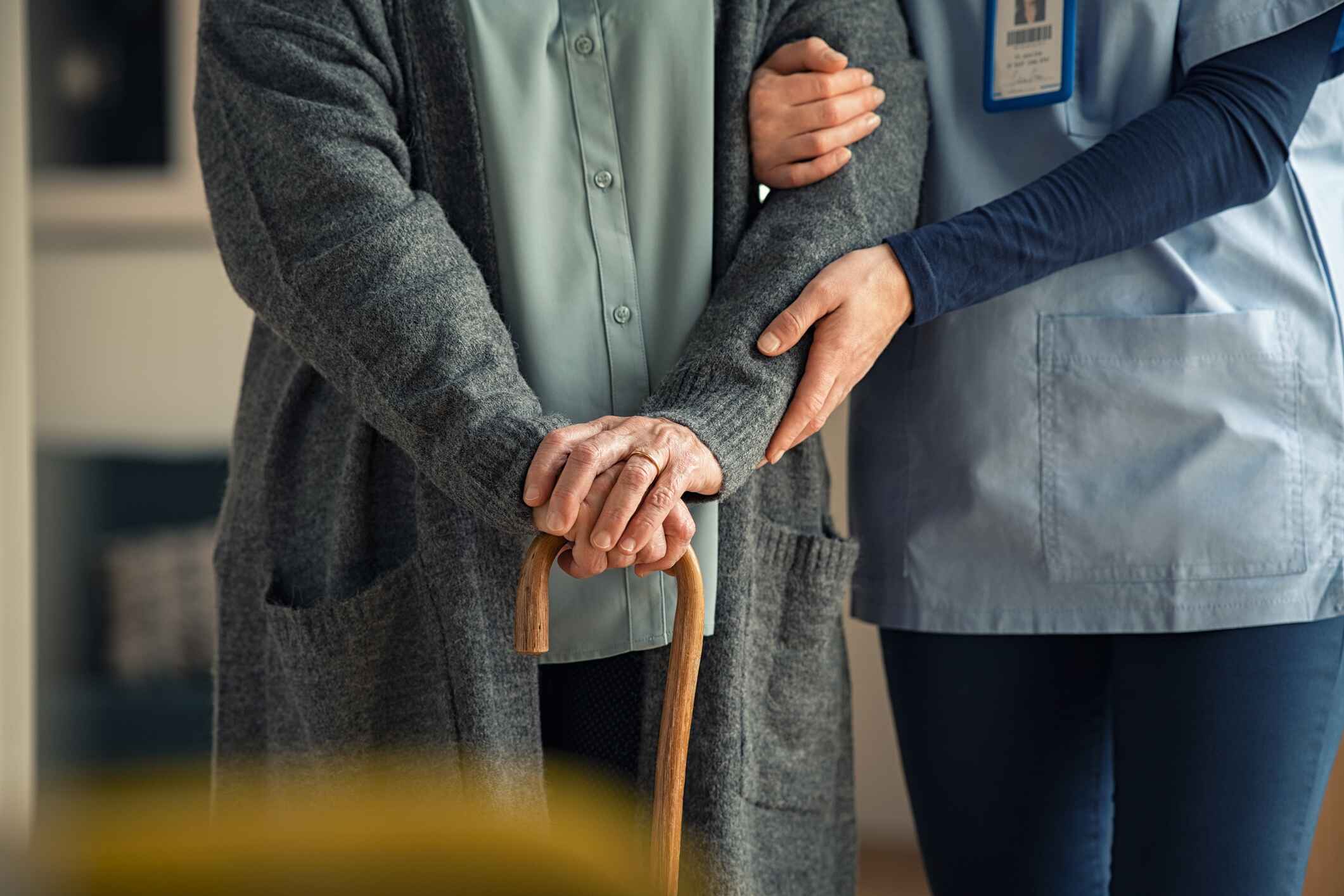
When families face the challenge of ensuring around-the-clock medical supervision and personal assistance for an aging loved one, anxiety and uncertainty often follow. A 24-hour elderly care nursing service, like that provided by Amoria, delivers continuous professional nursing, personal care, and safety monitoring in the comfort of home, restoring confidence and emotional relief. This article explores what continuous nursing care entails, overnight support strategies, emergency response protocols, specialised clinical services by registered nurses, dementia-focused programs, respite options, funding pathways, personal care routines, and home-safety measures, all designed to offer every family peace of mind.
A 24-hour elderly care nursing service is a coordinated model of in-home nursing and personal assistance that combines regular health assessments with immediate care interventions to prevent accidents, manage chronic conditions, and maintain daily routines. By providing non-stop monitoring, medication administration, and skilled clinical support, this model reduces hospital readmissions, improves symptom control, and delivers emotional assurance to both seniors and their families.
Studies show that continuous in-home care can significantly reduce hospital readmissions among the elderly by providing consistent monitoring and timely interventions. This proactive approach helps manage chronic conditions and prevent complications, leading to improved health outcomes and a higher quality of life for seniors.
Brown, L., et al., Journal of Gerontology (2022)
This research supports the article’s claims about the benefits of 24-hour care in maintaining health stability and reducing risks for seniors.
For example, Amoria’s personalised care plans align each senior’s medical profile with nurse schedules to guarantee uninterrupted support.
Continuous in-home nursing care includes personalised medication management, wound care, and mobility support delivered by qualified professionals who continuously observe vital signs and functional status to detect and address issues early.
Core components of in-home nursing care include:
These core services work together to maintain health stability and mitigate risks, setting the stage for independent living with confidence.
Around-the-clock nursing support promotes independence by combining assistive techniques with environmental adjustments to empower seniors in daily tasks while preventing falls and emergencies. By teaching safe transfer methods and supervising mobility, nurses reduce dependency on emergency services and enable seniors to remain active in their own homes. This approach bridges clinical care with personal autonomy, paving the way for specialised overnight support.
Professional nursing care provides families with evidence-based monitoring, accurate health reporting, and clinical expertise that non-medical caregivers cannot replicate. A registered nurse’s ability to interpret subtle changes in vital signs, adjust care plans, and liaise with doctors relieves families from day-to-day medical decision-making stress. Knowing an expert is on-call at all times transforms worry into reassurance and allows families to focus on quality time rather than constant supervision.
Overnight care for elderly involves targeted night-time supervision and support designed to manage sleep disturbances, medication timing, and emergency readiness, thereby reducing nighttime falls and anxiety. By having a dedicated caregiver present through the night, seniors receive timely assistance with toileting, pain relief, and repositioning, which prevents pressure ulcers and dehydration. This seamless night coverage extends the safety net beyond daylight hours.
Overnight elderly care delivers a comprehensive suite of services such as scheduled medication reminders, personal hygiene assistance, bed turning schedules, and continuous vital sign monitoring to maintain comfort and health stability.
Essential services include:
These services work in concert to offer uninterrupted overnight support that safeguards health and dignity until daytime routines resume.
Caregivers employ calming techniques, pain-management protocols, and environmental adjustments, like dim lighting and background noise reduction, to promote restful sleep. In case of emergencies, staff follow predefined rapid-response procedures, carry emergency medication kits, and maintain direct communication links with family members and healthcare providers. This dual focus on comfort and readiness secures continuous protection.
Overnight care enhances sleep quality, lowers hospitalisation risk, and maintains skin integrity for seniors, while families experience reduced stress, uninterrupted rest, and confidence that professional help is always available. This combination of physical well-being and emotional relief underpins the overall success of a full-spectrum care plan.
Emergency elderly care services deliver immediate clinical interventions and crisis management at home when sudden health events occur, such as falls, cardiac symptoms, or severe infections. By dispatching skilled caregivers within minutes of notification, Amoria stabilises conditions, initiates first-aid protocols, and coordinates hospital transfers when necessary. Families gain assurance from a proven system of rapid response and structured escalation.
Emergency care in a home setting uses portable medical equipment to conduct on-site assessments, administer oxygen or intravenous fluids if needed, and provide wound stabilisation until advanced care arrives. Having these capabilities in-home reduces transport delays and lowers the risk of complications during transit.
Caregivers undergo certified training in advanced life support, automated external defibrillator (AED) use, infection control, and critical symptom recognition. Regular competency drills and continuing education ensure they maintain expertise in emergency protocols, allowing them to act swiftly and confidently when seconds count.
Families access emergency care by calling Amoria’s 24/7 hotline or using an in-app alert system that instantly notifies the nearest on-call caregiver team. Response teams confirm the situation, dispatch the appropriate personnel, and keep loved ones informed throughout the process, guaranteeing transparent and rapid intervention.
Registered nurse home care services provide advanced clinical procedures, care coordination, and specialised treatments for seniors with complex conditions such as post-operative needs, oncology support, and intravenous therapies. These services replicate hospital-level care at home, reducing readmissions and enhancing recovery outcomes through personalised nursing interventions.
Procedure | Setting | Benefit |
Wound debridement | Sterile home station | Accelerates healing and prevents infection |
Intravenous infusion | Portable pump unit | Maintains hydration and delivers medications |
Catheter management | Clean technique kit | Ensures urinary function and reduces UTI |
Subcutaneous injections | Medication tray | Supports chronic disease therapies |
Respiratory therapy | Mobile ventilator | Improves lung capacity and oxygenation |
By bringing these services to the front door, registered nurses uphold clinical quality while respecting the senior’s familiar surroundings.
Chronic disease management at home integrates regular glucose monitoring for diabetes, catheter care for incontinence, and mobility regimens for stroke recovery. Nurses educate patients on symptom tracking, adjust treatment plans in collaboration with physicians, and coordinate allied health visits, ensuring a seamless continuum of care that prevents complications.
Choosing registered nurse visits guarantees access to a high level of clinical judgment, advanced assessment skills, and the authority to modify care plans as conditions evolve. This specialised oversight leads to improved medication adherence, fewer hospitalisations, and a measurable boost in overall health outcomes.
Dementia and memory care at home offers structured cognitive stimulation, behavioral support, and environmental adaptations that preserve remaining abilities and reduce anxiety. By tailoring activities to individual life history and cognitive level, caregivers foster engagement, maintain dignity, and slow functional decline, all within a reassuring familiar environment.
These elements work together to reinforce cognitive connections and promote emotional stability.
Caregivers ensure safety by installing door alarms, removing tripping hazards, locking hazardous areas, and conducting regular environment inspections. Supervision ratios are adjusted based on risk assessments, and staff maintain gentle but vigilant oversight to intervene before incidents occur.
Families receive education on disease progression, access to support groups, and counseling to manage caregiver stress. Amoria provides 24/7 helpline access, online resources about behavioral strategies, and scheduled respite visits to give family members time for self-care.
Respite care offers temporary relief to family caregivers by providing short-term in-home support that maintains continuity of care for seniors while families rest, travel, or attend to other responsibilities. This service prevents burnout, sustains caregiving quality, and strengthens family bonds through scheduled breaks.
Respite care is a planned, temporary in-home service that steps in when primary caregivers require rest, medical appointments, or personal time. It becomes essential when caregiver fatigue threatens safety or when families need intervals to maintain their own health and well-being.
Respite care reduces stress by offering emotional support, coaching on coping strategies, and access to community resources. Short breaks restore energy, prevent compassion fatigue, and enable caregivers to return to their roles with renewed patience and perspective.
Arranging respite care with Amoria starts with a free assessment conducted in-home or virtually. Families work with a care coordinator to define service duration, select preferred caregivers, and tailor the support plan, making the process efficient and transparent.
Understanding My Aged Care and government funding options clarifies eligibility, subsidises costs, and streamlines access to 24-hour nursing services. By navigating Home Care Packages and the Commonwealth Home Support Programme, families unlock financial support that makes continuous in-home care both feasible and affordable.
Australia offers the Home Care Packages program and the Commonwealth Home Support Programme to subsidise in-home services ranging from basic personal care to complex nursing interventions. These initiatives allocate funds based on assessed need and package level to match individual care requirements.
Applying for funding involves registering on the My Aged Care portal, completing a needs assessment by an Aged Care Assessment Team (ACAT), and receiving a classified package level. Eligibility hinges on health status, daily living needs, and support network, then families coordinate with service providers like Amoria to activate their package.
Out-of-pocket expenses for 24-hour nursing care depend on the package level, the senior’s income, and the scope of services required. Subsidies can cover a significant portion of fees, while transparent fee schedules outline any co-contributions. Families receive clear cost breakdowns and ongoing financial reporting to ensure budget predictability.
Personal care and daily living assistance within a 24-hour nursing service encompass hygiene support, dressing help, mobility aid, meal preparation, and activity facilitation to preserve comfort and independence. By integrating these tasks into a continuous care plan, seniors maintain dignity and routine while professional caregivers manage health-related needs.
Hygiene and dressing assistance follow infection-control protocols and ergonomic techniques to protect skin integrity and prevent musculoskeletal strain. Caregivers use gentle cleansing methods, adaptive equipment, and privacy-respecting approaches, ensuring safety and personal comfort.
Caregivers assist with safe transfers using sliding boards or hoists, guide supervised walking exercises, and prepare balanced meals that accommodate dietary requirements.
Assistance Type | Activity | Benefit |
Transfer support | Hoist or slide board transfers | Reduces fall risk and caregiver injury |
Walking supervision | Guided ambulation with walker | Preserves muscle strength and balance |
Meal preparation | Tailored meals and portion control | Ensures nutritional adequacy and digestion |
Hydration checks | Scheduled fluid encouragement | Prevents dehydration and urinary issues |
Personal grooming | Adaptive tools for shaving and hair care | Maintains self-esteem and cleanliness |
These assisted activities enhance seniors’ day-to-day functioning and set the stage for personalised comfort strategies.
Personal care interventions remove barriers to basic tasks, fostering self-confidence and reducing frustration. When seniors feel clean, well-nourished, and mobile, they engage more in social and leisure activities, which boosts mood and overall quality of life.
Home safety and fall prevention combine environmental modifications, assistive technologies, and caregiver-led risk assessments to create a secure living space that minimises injury potential. By systematically addressing hazards, homes transform into supportive environments where seniors can age in place with reduced anxiety for both themselves and their families.
Implementing grab bars, improved lighting, and non-slip flooring creates a safer environment that supports safe movement and reduces fall risk.
Modification | Purpose | Impact |
Grab bars in bathroom | Provide stable handholds during transfers | Cuts bathroom falls by over 50% |
Enhanced corridor lighting | Improves visibility in hallways and stairs | Reduces trip hazards in low light |
Non-slip bath mats | Prevent slippage in wet areas | Lowers bathroom accident rates |
Stairway handrails | Offers continuous support on stairs | Enables safer ascent and descent |
Threshold ramps | Smooths doorway transitions | Facilitates wheelchair and walker access |
Implementing home modifications such as grab bars and improved lighting can dramatically decrease the risk of falls in elderly individuals. Research indicates that these simple yet effective changes can reduce bathroom falls by over 50% and improve overall safety within the home environment.
Johnson, R., et al., Home Health Care Management & Practice (2023)
This citation reinforces the article’s recommendations on home modifications to enhance senior safety and prevent falls.
These targeted changes combine to create a cohesive safety strategy that transitions smoothly into technology-based monitoring solutions.
A secured home environment and advanced monitoring complete a comprehensive 24-hour nursing service that truly delivers peace of mind for every family.
Navigating the complexities of elderly care can be daunting, but the availability of comprehensive 24-hour nursing services, such as those offered by Amoria, provides a beacon of hope and reassurance for families. From continuous clinical monitoring and specialised medical support to personalised daily assistance and robust safety measures, these services are meticulously designed to enhance the quality of life for seniors while alleviating the burdens on their loved ones. By understanding the benefits, available services, and funding options, families can confidently choose a care solution that not only meets their loved one’s needs but also provides the invaluable peace of mind that comes from knowing they are safe, comfortable, and expertly cared for around the clock.