What Are Nursing Care Homes?
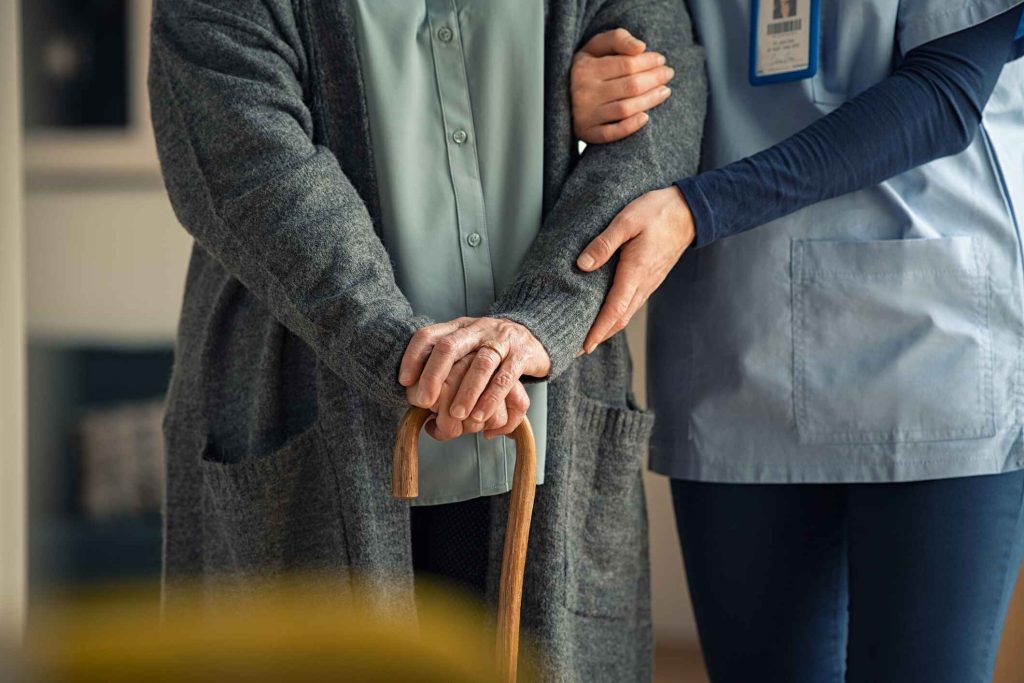
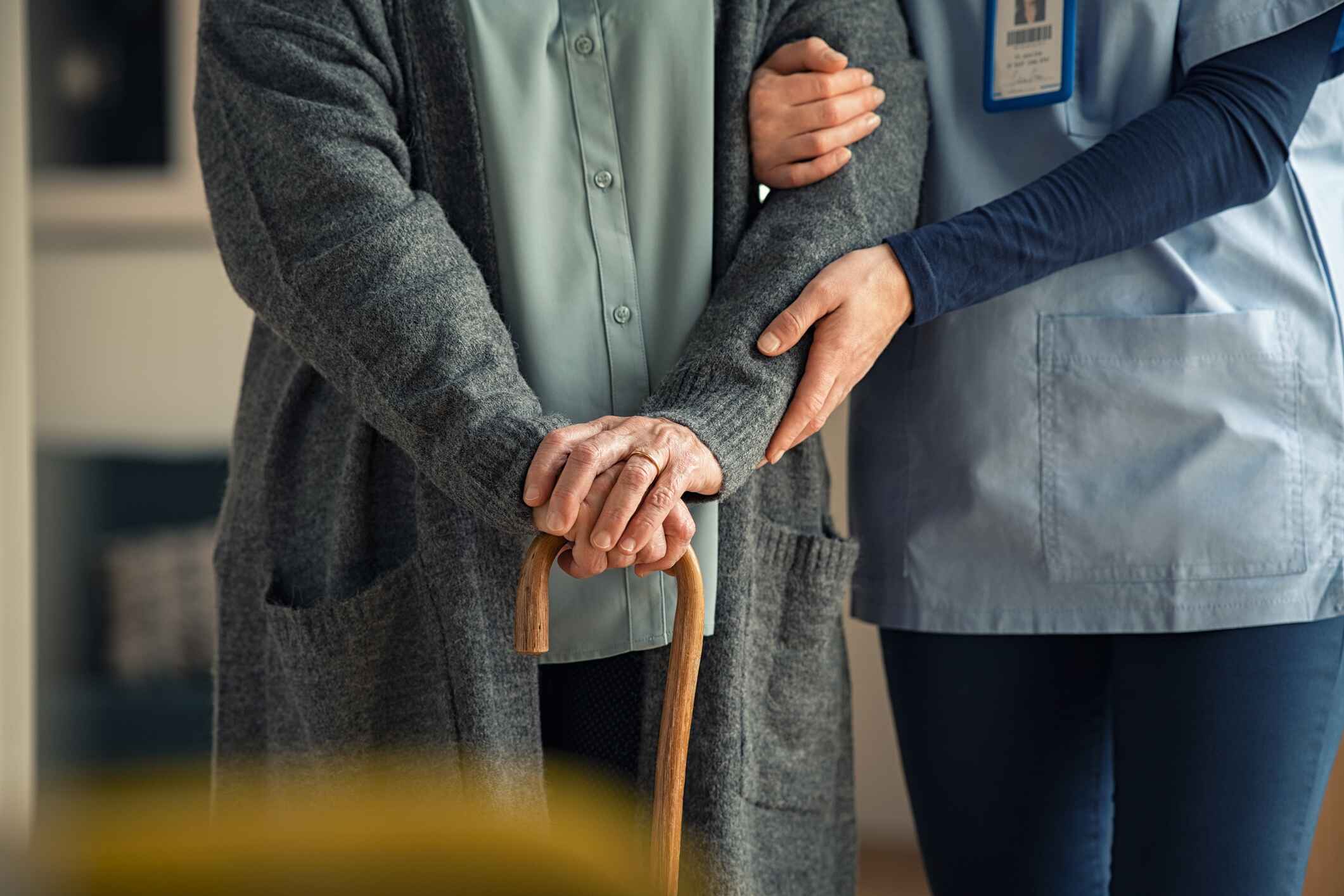
Nursing care homes, also known as assisted living facilities, provide a structured environment for individuals who need extensive care. These facilities are designed to support individuals who may struggle with daily activities and require consistent medical attention. Providers like Amoria specialise in offering these services, ensuring residents receive tailored support and compassionate care. They offer round-the-clock medical support and assistance with daily activities such as bathing, dressing, and meal preparation. Moreover, aged care nursing services in these homes are designed to ensure residents receive comprehensive care tailored to their individual needs. This means that the staff is trained to handle a variety of health conditions and emergencies, providing peace of mind to families.
What Are the Advantages of Nursing Care Homes?
Nursing care homes also provide a community setting where residents can interact with peers, participate in activities, and enjoy a sense of belonging. This social aspect is often a significant consideration for families, as it can improve the quality of life for residents. The infrastructure of these facilities is specifically designed to accommodate the mobility needs of the elderly, ensuring safety and convenience.
- 24/7 Medical Assistance: One of the primary advantages of nursing care homes is the continuous medical care available. With trained nursing support workers always on site, families can rest assured knowing their loved ones have access to immediate medical attention. This is particularly beneficial for individuals with chronic conditions or those prone to medical emergencies.
- Structured Environment: Nursing care homes offer a structured routine, which can be beneficial for those who thrive on consistency. Scheduled activities and meals contribute to a sense of normalcy and routine. This structure can be particularly beneficial for individuals with cognitive impairments, such as dementia, where predictability is crucial.
- Social Interaction: These facilities often provide numerous social activities that encourage interaction among residents, which can be vital for mental and emotional health. Group activities, outings, and events are commonly organised, promoting a sense of community and reducing feelings of isolation.
- Specialised Care: For individuals with specific medical needs, such as dementia or mobility issues, nursing care homes can offer specialised care and support. Many facilities have staff trained in specific areas, providing expertise and targeted care strategies for various conditions.
What Are the Disadvantages of Nursing Care Homes?
- Cost: Nursing care homes can be expensive, often more so than in-home care options. It’s essential to consider the financial implications when making a decision. Long-term residency in these facilities can significantly impact family finances, necessitating a thorough evaluation of budgetary constraints.
- Loss of Independence: Some individuals may feel a loss of independence when moving into a nursing care home, as they are required to adapt to a new environment and routine. This transition can be emotionally challenging and may require support from family members and staff to ease the adjustment.
- Limited Personalisation: While care homes aim to provide individualised care, the level of personalisation may not match what can be achieved with in-home support. This can sometimes lead to feelings of being just another resident rather than receiving truly personalised attention.
What Is In-Home Nursing Support?
In-home nursing support involves receiving care within the comfort of one’s home. This type of care can range from occasional visits by a nursing support worker to round-the-clock care, depending on the individual’s needs. The flexibility of this care model allows families to tailor services to fit the specific requirements of their loved ones. Home care services allow for a personalised approach, catering to the specific requirements of your loved one. This customisation can include everything from specific dietary needs to preferred daily routines.
What Are the Advantages of In-Home Nursing Support?
In-home care can also be an excellent option for individuals who have a strong emotional attachment to their homes and communities. Staying in a familiar environment can provide a sense of stability and reduce stress, particularly for those with cognitive impairments. Additionally, it allows families to be more involved in the care process, fostering a collaborative approach to caregiving.
- Comfort of Home: The most significant advantage of in-home nursing support is that individuals can remain in their familiar environment. This can be particularly important for those who find comfort and security in their own home. Familiar surroundings can help in maintaining cognitive function and emotional well-being.
- Personalised Care: In-home nursing support offers a high level of personalisation, as care plans can be tailored to meet the specific needs and preferences of the individual. This ensures that the care provided aligns closely with the individual’s lifestyle and health requirements.
- Cost-Effective: Depending on the level of care required, in-home nursing support can be more cost-effective than moving to a nursing care home. It allows families to choose the level of support that fits their budget. This flexibility in service levels can help families manage finances while ensuring appropriate care.
- Flexibility: Home care services are flexible and can be adjusted as the needs of the individual change over time. This adaptability is crucial in addressing evolving health conditions and ensuring that care remains suitable and effective.
What Are the Disadvantages of In-Home Nursing Support?
- Limited Social Interaction: Unlike nursing care homes, in-home nursing support may offer fewer opportunities for socialisation, unless actively arranged by the family or care provider. This can lead to isolation, especially for those who thrive on social engagement.
- Caregiver Burnout: Family members may experience burnout if they are heavily involved in providing care, especially if professional support is limited. It’s vital for families to recognise the signs of burnout and seek additional support when necessary.
- Accessibility of Medical Equipment: Some medical equipment may not be readily available at home, which could be a limitation for individuals with significant medical needs. This could necessitate frequent hospital visits, which can be inconvenient and stressful.
How Do You Decide Between Nursing Care Homes and In-Home Support?
When deciding between a nursing care home and in-home nursing support, it’s essential to consider the specific needs and preferences of your loved one. Here are some questions to guide your decision:
- Does your loved one require constant medical supervision?
- How important is staying in a familiar environment to them?
- What level of social interaction do they need or desire?
- What is the budget for their care?
- Are there any specific medical conditions that require specialised care?
Understanding these factors can help you weigh the pros and cons of each care option. It is also important to involve your loved one in the decision-making process to ensure their preferences and desires are respected.
Who Can Help You Make the Best Choice?
Seeking advice from healthcare professionals can provide valuable insights into the best care option for your loved one. Doctors, nurses, and social workers can offer guidance based on their knowledge and experience with similar cases. They can help assess medical needs, suggest appropriate care plans, and provide information about local resources and services available.
Consulting with a geriatric care manager can also be beneficial. These professionals specialise in the care of older adults and can help navigate the complex landscape of elder care options. Their expertise can be invaluable in making a well-informed decision.
Why Should You Consider Future Care Needs?
It’s also crucial to think about the future and how your loved one’s needs might change over time. Flexibility is vital, as care requirements can evolve, and the chosen care option should be able to adapt accordingly. This forward-thinking approach ensures that the care plan remains relevant and effective, even as circumstances change.
Anticipating future needs involves considering potential health deteriorations or improvements, changes in mobility, and the progression of any chronic conditions. Being prepared for these possibilities can help prevent disruptions in care and promote a smoother transition if changes are needed.
Final Thoughts: Which Care Option Is Best?
Choosing between nursing care homes and in-home nursing support is a deeply personal decision that depends on various factors, including medical needs, personal preferences, and financial considerations. By thoroughly evaluating the advantages and drawbacks of each option and consulting with professionals, you can make an informed decision that best suits your loved one’s needs and provides peace of mind for your family. Ultimately, the goal is to ensure that your loved one receives the highest quality of care in an environment that supports their well-being. By taking the time to make a thoughtful and informed choice, you can help ensure that your loved one enjoys a fulfilling and comfortable life as they age.
For further information, just our services page on Amoria.