Staying socially active becomes more important as we age. Engaging in social activities not only enriches life but also plays a crucial role in supporting physical, emotional, and mental health in aged care settings.
This article explores a variety of social activities for seniors that promote connection, reduce loneliness, and bring joy helping older adults live more fulfilling lives.
Social activities for seniors are more than just a way to pass the time. They are essential for:
Seniors who engage regularly in social activities often report greater happiness, confidence, and overall quality of life.
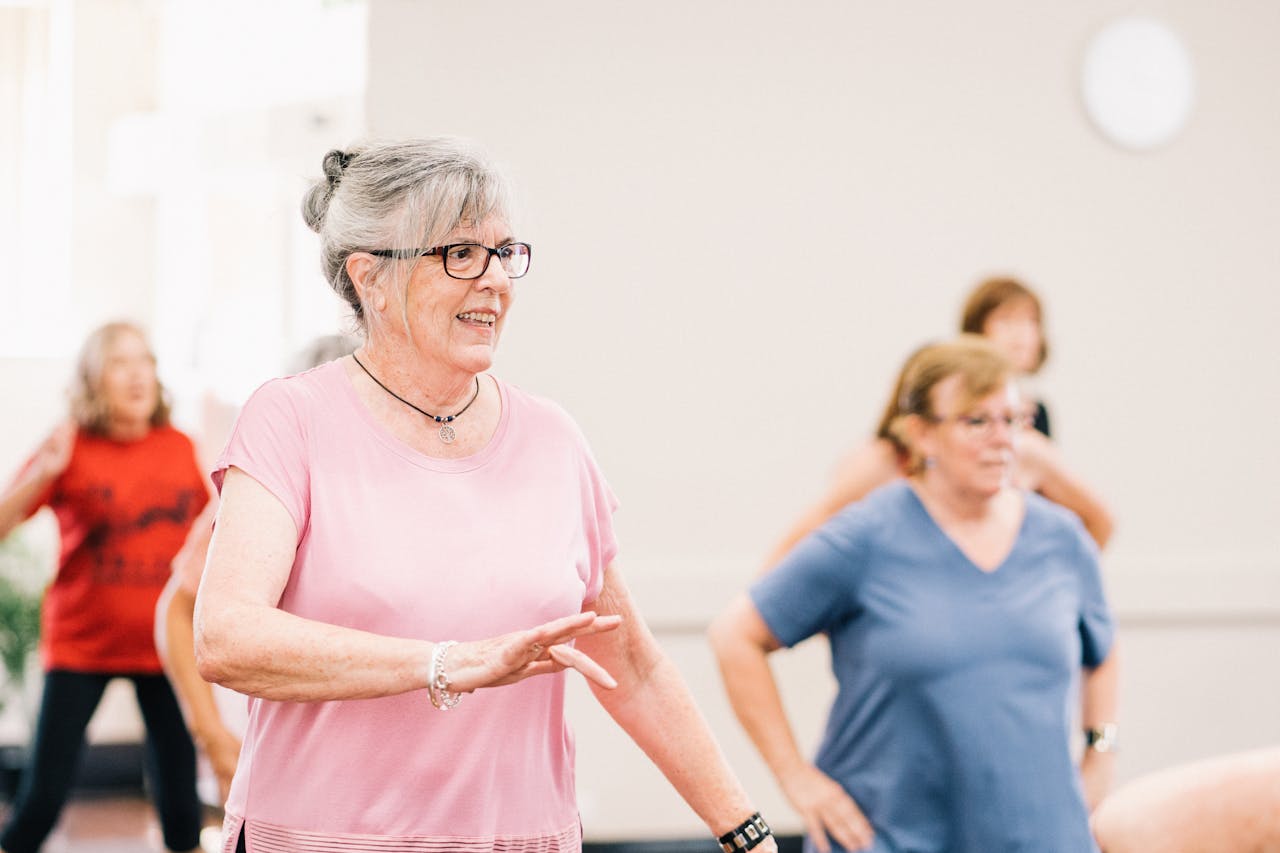
Gentle activities such as yoga, tai chi, or water aerobics help seniors stay active while also providing opportunities to meet others. These classes improve balance, strength, and flexibility—all within a supportive, social environment.
Painting, knitting, or pottery workshops give seniors a chance to express themselves while building concentration and fine motor skills. Group classes also bring together people with shared interests, encouraging friendships and teamwork.
For those who love to read, book clubs are an excellent way to stay socially and intellectually engaged. Discussions encourage critical thinking, spark conversation, and create meaningful connections among participants.
Joining a choir, music group, or dance class provides both emotional and physical benefits. Music boosts mood and memory, while dance encourages movement, laughter, and bonding through shared enjoyment.
To maximise the benefits of social activities, caregivers and communities should focus on:
Inclusivity ensures every senior feels valued and able to participate.
Technology now plays a vital role in keeping seniors connected:
Embracing digital tools helps seniors remain socially engaged, even when in-person activities aren’t possible.
Social activities are essential to maintaining joy, connection, and overall well-being in later life. From group exercise and creative arts to book clubs, music, and technology-based engagement, these activities enrich seniors’ lives and reduce isolation.
By creating inclusive, supportive environments and offering diverse opportunities, caregivers and communities can ensure that seniors remain active, connected, and fulfilled.
For more information on our services, visit Amoria.